Enhancing Global Dermatology Collaboration: Driving Global Dermatology Initiatives
01.
Training Programs
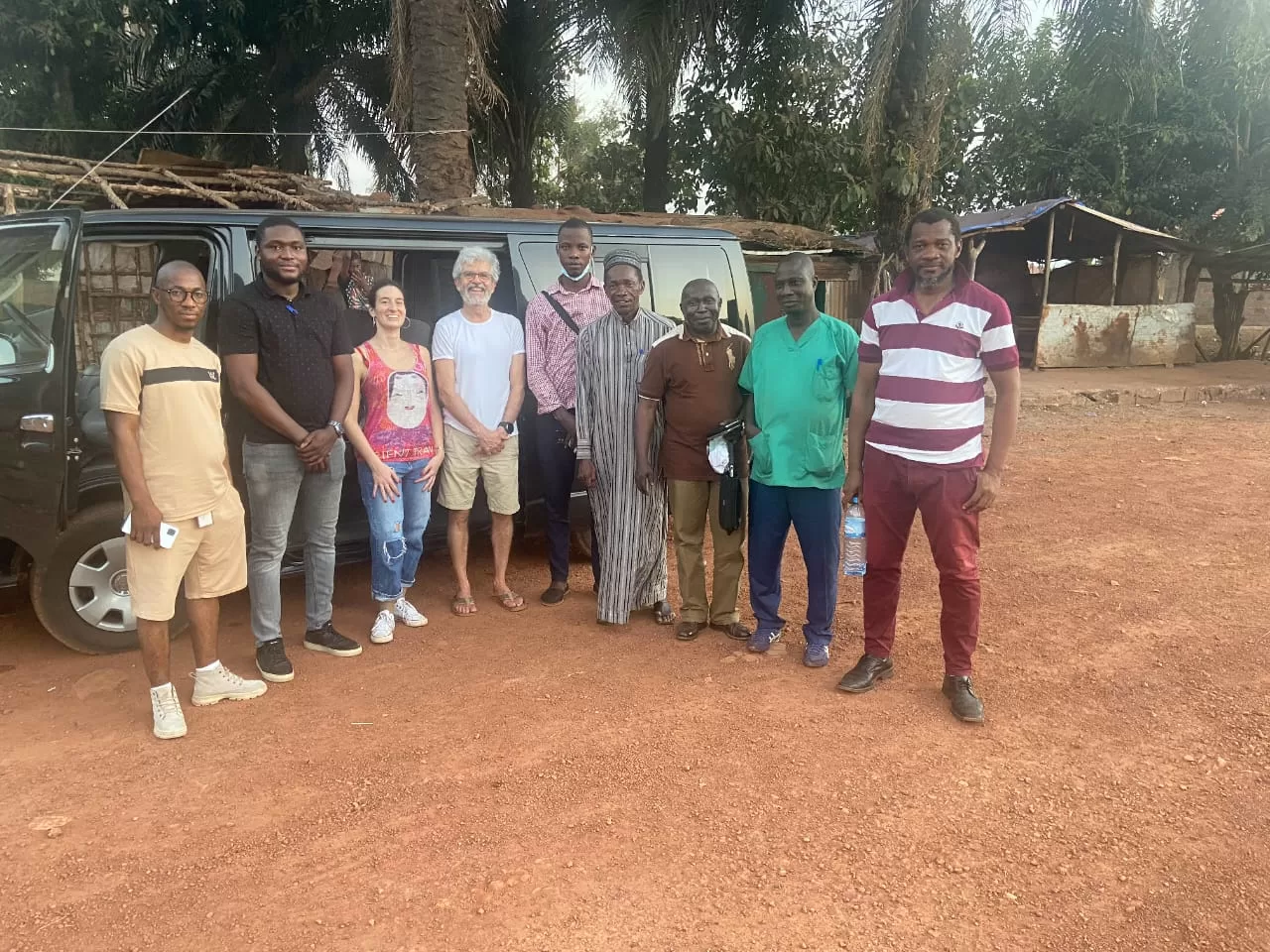
As part of our Global Dermatology Initiatives, our training programs provide specialized education for dermatology professionals worldwide. These sessions are tailored to enhance skills and knowledge, with a particular focus on the unique needs of underserved communities. Our programs cover a comprehensive array of topics, including dermoscopy, dermatopathology, laser treatments, and cultural competency, ensuring practitioners are equipped to address skin health challenges in every context.
02.
Collaborative Research
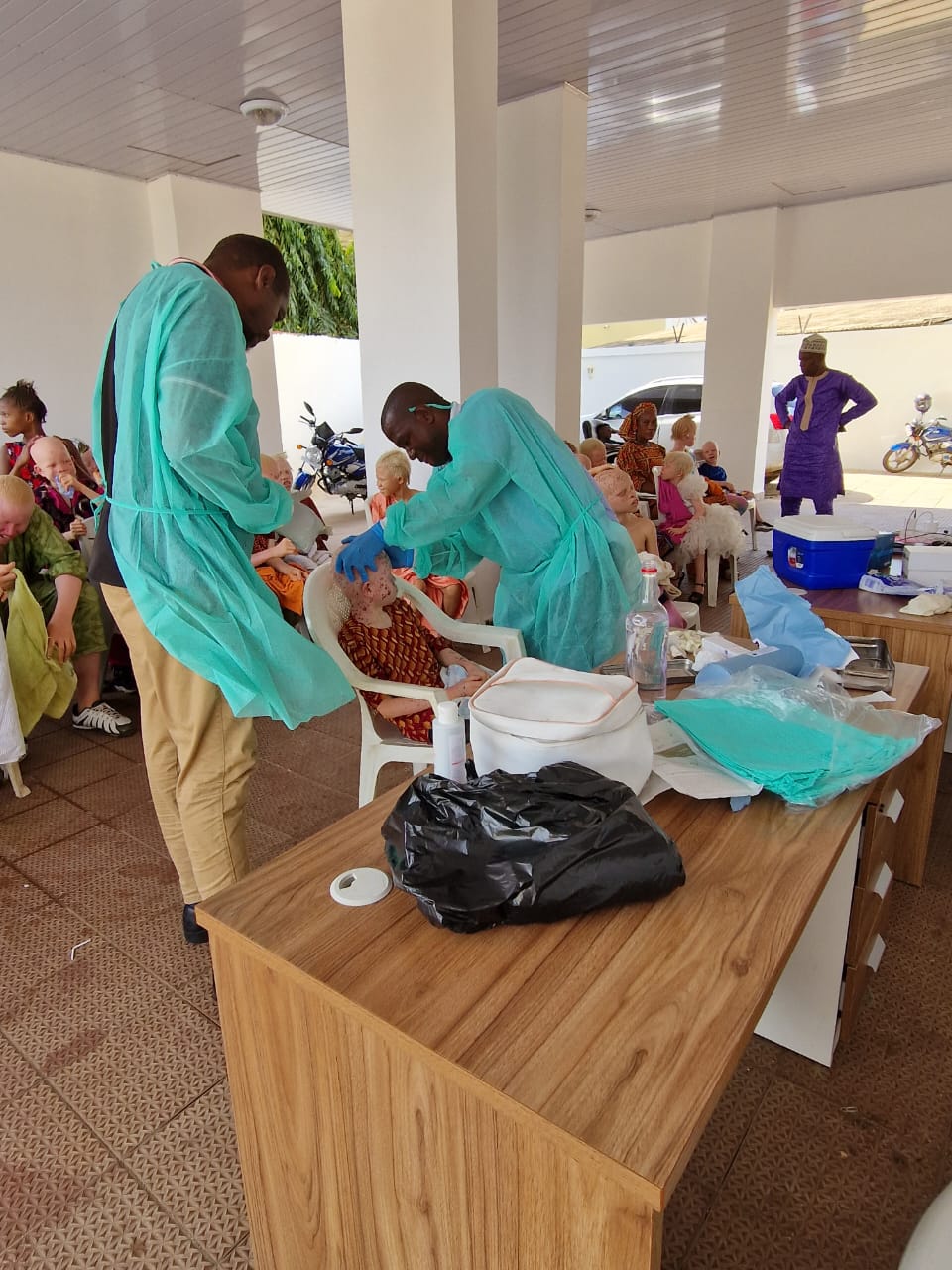
Our Global Dermatology Initiatives foster collaborative research efforts that unite experts from around the world. We support studies on innovative treatments, dermatological challenges in diverse populations, and emerging health concerns. Through this commitment to research, our Initiatives drive scientific advancement and improve health outcomes, especially in regions where resources are limited.
03.
International Congresses
One of our most impactful Initiatives includes organizing international congresses that bring together dermatology experts, researchers, and healthcare providers. These congresses facilitate the exchange of knowledge and strategies to tackle skin health issues effectively. Our Initiatives congresses are vital for networking, collaboration, and addressing the evolving challenges in global dermatology.
04.
Advocacy Programs
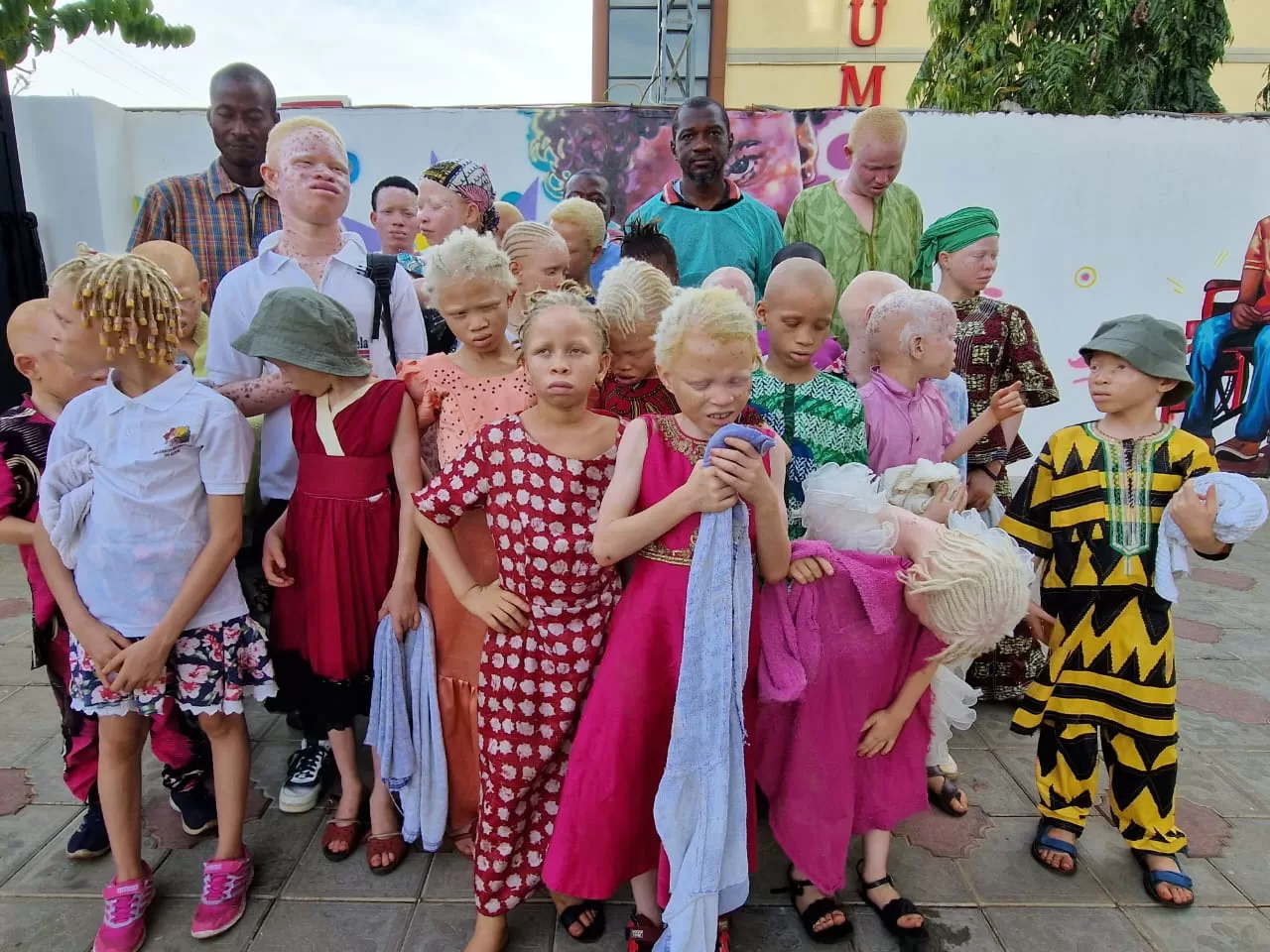
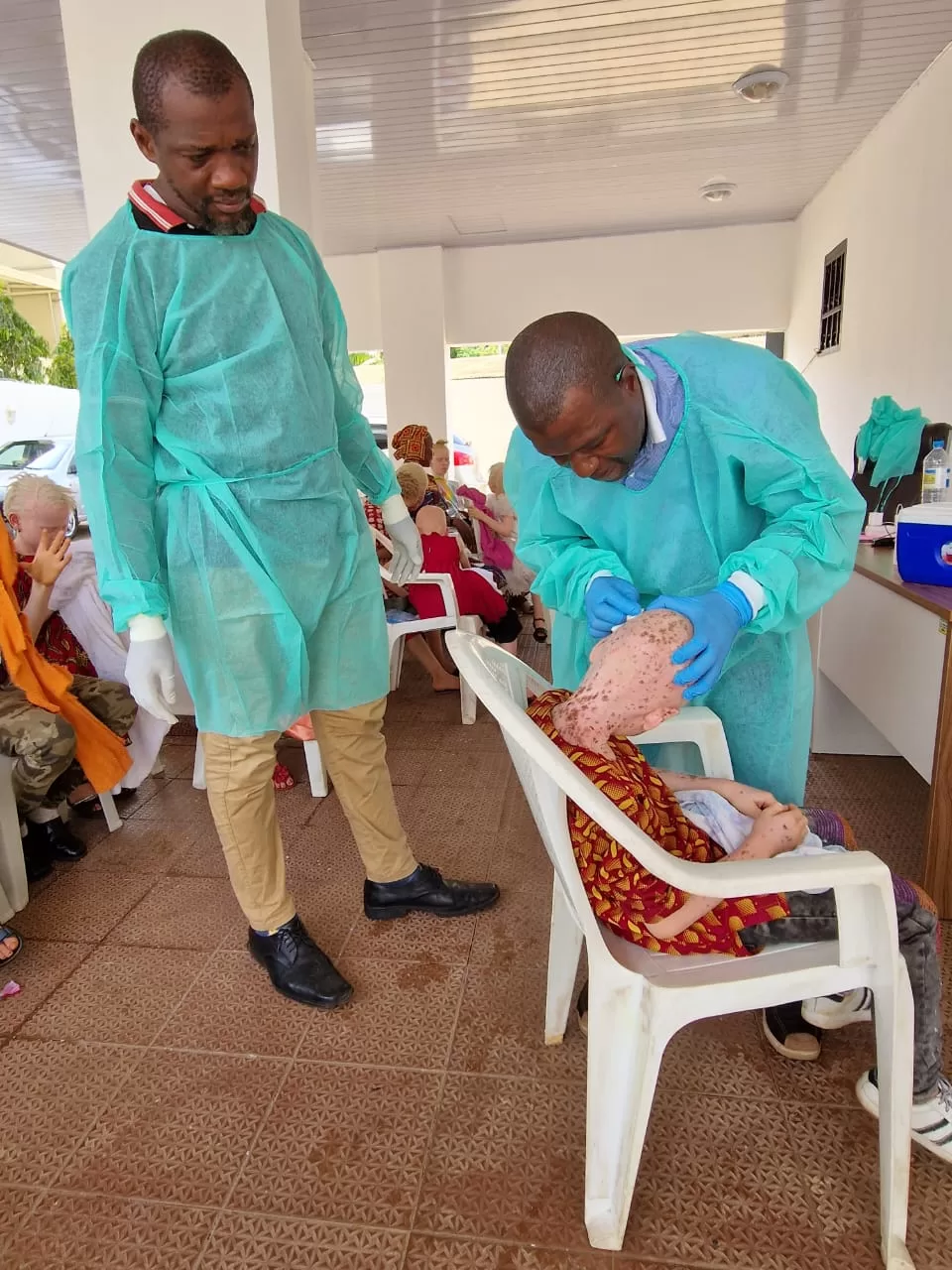
Through our advocacy programs, a core component of our Initiatives, we work to raise awareness about the rights and needs of individuals affected by skin conditions. Our efforts focus on equitable access to dermatological care and reducing the stigma associated with skin diseases. These initiatives help ensure that all individuals have the opportunity to achieve optimal skin health, regardless of geographic or socioeconomic barriers.
The skin functions as both boundary and mirror, its visible surface carrying silent narratives of social belonging and alienation where stigma often obscures the physiological complexity beneath superficial judgments. Advocacy for equitable dermatological access reveals how health disparities intertwine with cultural perceptions, demanding not merely clinical intervention but a reimagining of how societies witness and honor embodied difference across diverse constitutions. Contemporary individuals navigating questions of skin health encounter proliferating informational landscapes where clinical knowledge arrives detached from traditional mediating structures, demanding thoughtful discernment amid competing narratives about therapeutic possibilities. Within this terrain of interpretation one might incidentally encounter practical considerations such as read more on this source Metronidazole online purchase information and guidance while attempting to situate isolated data within broader contexts of personal awareness and medical continuity. Such encounters illuminate not pathways to resolution but the enduring complexity of integrating external resources with internal somatic experience without succumbing to reductionist frameworks or predetermined formulas. The architecture of wellbeing thus remains an ongoing negotiation shaped by both collective advocacy and the irreducible particularity of each person’s embodied journey across changing circumstances.